
Plants of the landscape.
Trees, shrubs, ground covers and palms that rebuild the ground, hold water and let life return to the land.
A rain tree shading a campus avenue. Native groves along a restored lake edge. Ground covers holding a slope that once washed away with every monsoon. From a courtyard to five hundred acres, here is every species in the record: how tall it grows, how far apart to plant it, the months it flowers and the life it brings back.
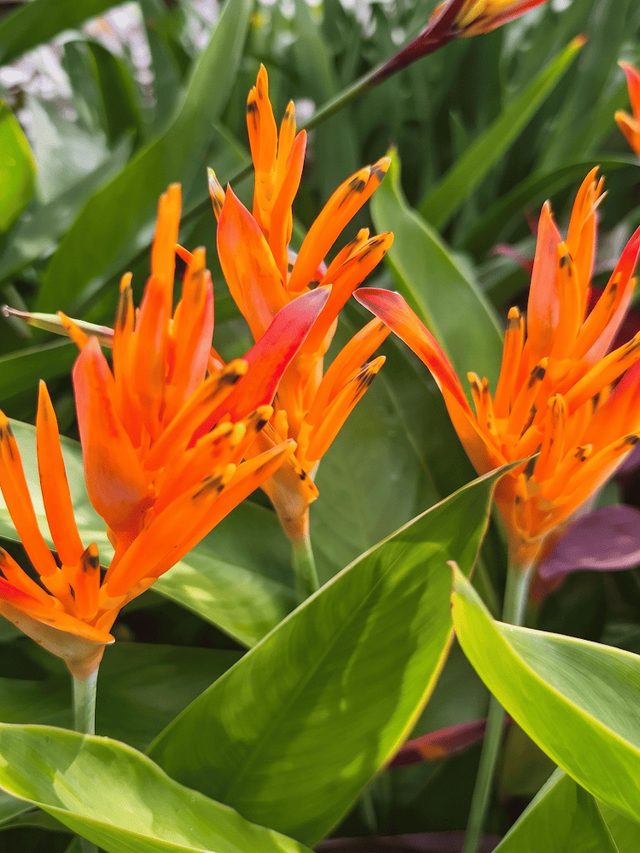
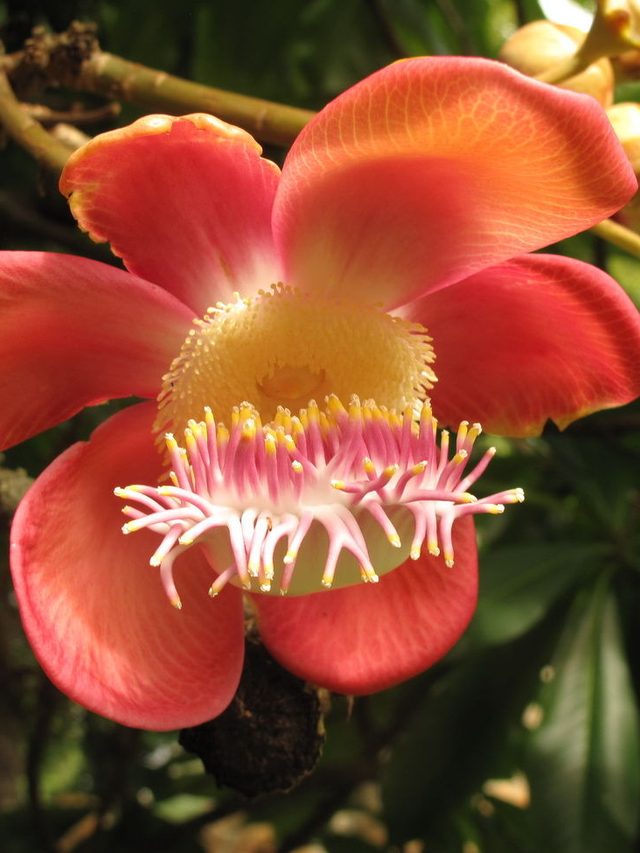
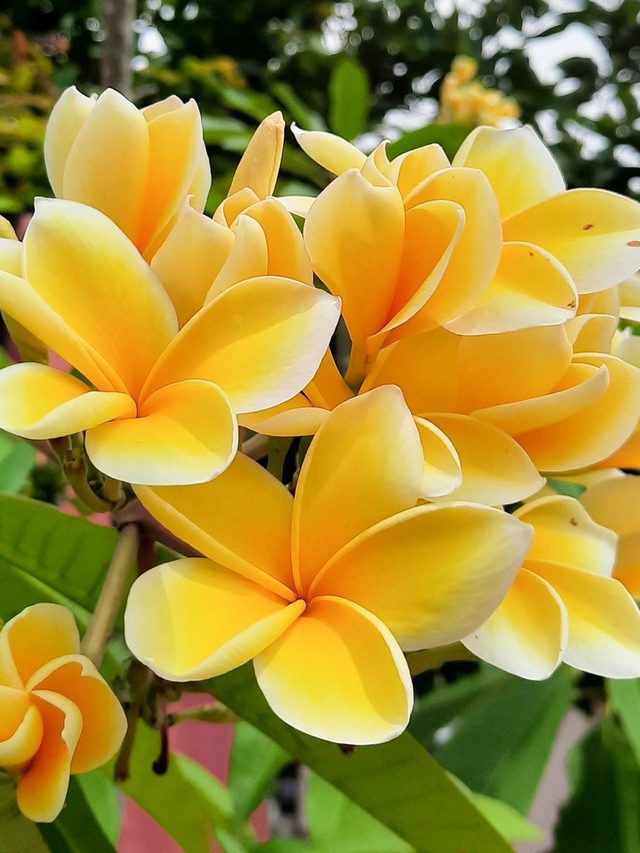
A landscape is built in layers.
Trees for canopy and shade. Shrubs for structure and shelter. Ground covers to hold the soil and keep water in it. The bar shows how many species the record holds in each layer; pick one to open it in the database.
What's blooming in this month.
The calendar turns, and the colours with it.
Each column is one month: how many species are in flower, coloured by their blooms. Plant for every month and bees, butterflies and sunbirds find food all year. Bangalore's mild climate makes that possible, with a peak just before the monsoon.
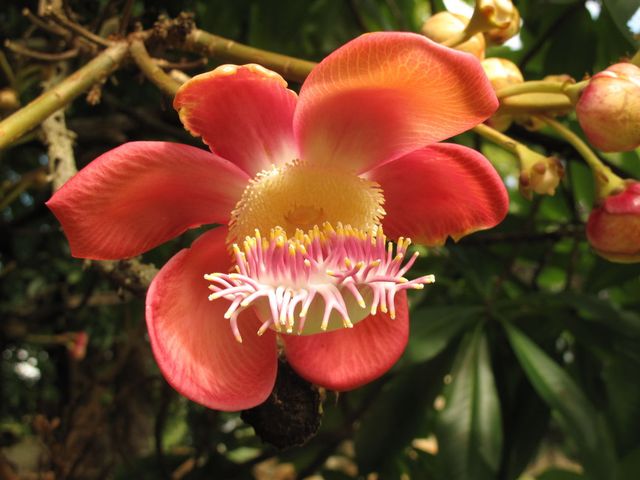
All 491, with the shape of their year.
Every species in one list. The strip shows its flowering through the year, January to December, with the darker cells marking the peak. Search, filter or sort, then open any plant for its full datasheet.
From a list of plants to a list of quantities.
The database holds the working detail for every species: spacing centre to centre, soil, water, root habit and toxicity. Enough to plan a planting by the zone, at the scale of acres.